
VAT e-reporting in 2028: Belgium’s bill is before the Chamber
Bill DOC 56 1846/001, filed with the Belgian Chamber on 27 October 2026, replaces the annual customer listing from 1 January 2028 with electronic reporting of structured invoices through Peppol. The periodic VAT return stays. The text still has to be passed and detailed by royal decree.
Updated
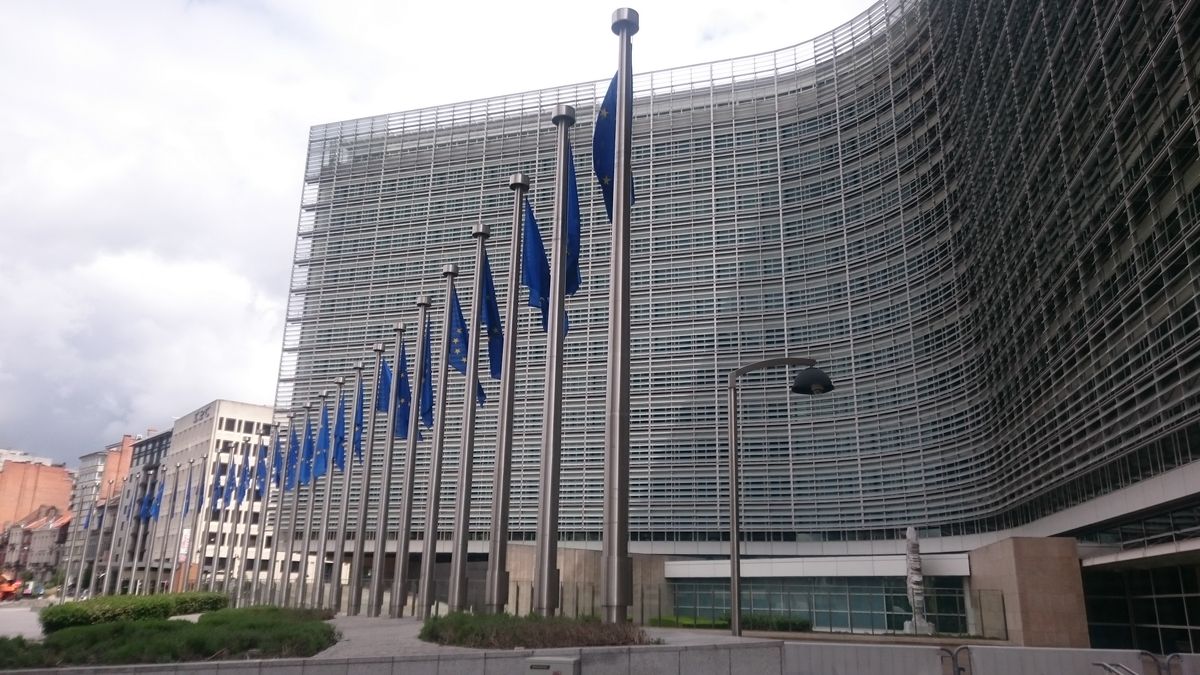
The bill that replaces the annual customer listing with electronic reporting of invoices from 2028 is before the Belgian Chamber. What changes, for whom, and what a company can prepare now.
What has been filed
The federal government has filed with the Chamber the bill amending the VAT Code to introduce an electronic reporting obligation and abolish the obligation to file the annual list of VAT-registered customers. The parliamentary document is numbered DOC 56 1846/001 and dated 27 October 2026: Chamber, bill DOC 56 1846/001, 27 October 2026
The specialist site vatcalc.com summarised it on 30 October 2026: vatcalc.com, 30 October 2026 The text replaces Article 53quinquies of the VAT Code. For the businesses concerned, the annual customer listing goes and is replaced by electronic reporting, invoice by invoice.
It is a bill. The Chamber still has to examine and pass it, and several details will then be set by royal decree.
What changes from 2028
Since 1 January 2026, Belgian businesses have sent each other structured electronic invoices. The bill adds a step: from 1 January 2028, data from those invoices will also go to the tax authority in near real time.
According to vatcalc, reporting will generally be two-sided: the supplier issuing the invoice and the Belgian customer receiving it both report, so the authority can compare both sides. Exact deadlines will follow by decree, but the bill caps them at five calendar days. Data goes through the Peppol network, not through a separate FPS Finance application or API.
Only data that must already appear on the structured e-invoice can be required. Again according to vatcalc, a mismatch between the supplier’s and the customer’s reports is not in itself a VAT irregularity: timing differences, disputes and corrections are recognised, but significant or persistent gaps may lead to an investigation.
The periodic VAT return stays: the Chamber text says electronic reporting does not cover every transaction needed to calculate it.
The timeline in short. 2026: structured B2B e-invoicing. 2028: electronic reporting to the tax authority. 2030: EU digital reporting (ViDA).
Who is affected
Reporting applies to taxable persons established in Belgium who issue or receive structured e-invoices. According to vatcalc, a foreign business that is only VAT-registered in Belgium is generally not covered in 2028: it keeps filing the annual listing during a transitional period to 30 June 2030, or opts in to electronic reporting.
A Belgian-established supplier selling to a non-established customer with a Belgian VAT number still reports that transaction, even where no structured e-invoice is required.
The timeline is built around the EU ViDA package (VAT in the Digital Age): EU electronic reporting of intra-EU transactions is planned from 1 July 2030. Belgium is designing its 2028 system to keep the changes needed at that point to a minimum.
What a company bidding for public contracts can prepare
A company working for public buyers already invoices electronically and often knows Peppol. The 2028 reporting also covers its invoices between businesses: subcontractors, suppliers, partners in a temporary consortium.
- Ask the invoicing software provider or Peppol access point how and from when it will handle reporting.
- Check the VAT numbers and details of customers and suppliers: a wrong number creates a gap between the two reports. The VAT number is also the key that links a company to tender notices: VAT number and notices The check tool: VAT tool
- Decide who, in the company or at the accountant, follows up reported gaps and corrects an invoice in time.
- Follow the vote in the Chamber and the royal decree that will set the exact deadlines and data.
What AOEX does and does not do
AOEX reads TED notices and public e-Procurement notices and helps prepare a reply from the published documents: Bid kit AOEX sends no invoices, does no VAT reporting and gives no tax advice. The text to follow is the law, once passed, and its implementing decrees.
Sources
Belgian Chamber of Representatives, bill DOC 56 1846/001 of 27 October 2026: Chamber, bill DOC 56 1846/001, 27 October 2026
vatcalc.com, “Belgium submits 2028 VAT e-reporting Bill to Parliament”, Jacinta Caragher, 30 October 2026: vatcalc.com, 30 October 2026
This note describes public documents and how AOEX works. It is not legal advice.
Edited by aoex.
