
European preference and ‘Made in Europe’: what the Commission proposes for public procurement
On 9 September 2026, the European Commission proposed a single Public Procurement Regulation, with a horizontal European preference framework in line with the Union’s international obligations and quality criteria of at least 30% by default. It is a proposal: the European Parliament and the Council still have to negotiate it.
Updated
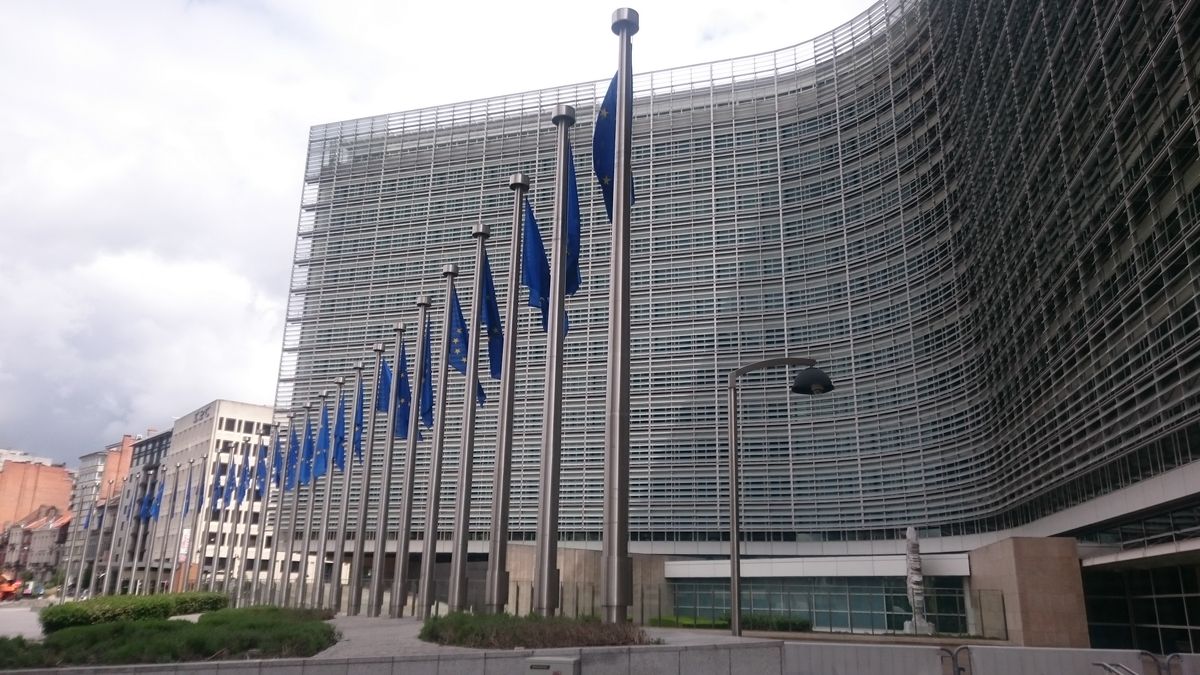
On 9 September 2026, the European Commission proposed a Public Procurement Regulation that would replace the three directives and set up a European preference framework. What the official text says, and what is still only a proposal.
What the Commission adopted on 9 September 2026
On 9 September 2026, the European Commission adopted a proposal for a new Regulation to modernise and simplify the EU’s public procurement framework. It would consolidate the three existing procurement directives, and procurement provisions spread across sector-specific legislation, into one directly applicable Regulation, with three procedures instead of five. Official press release: European Commission, press release IP/26/1817 (9 September 2026)
According to the Commission, public procurement accounts for around 15% of the EU’s GDP, and the proposal is expected to deliver annual administrative savings of €650 million: €80 million for public buyers and €570 million for economic operators.
The horizontal European preference framework
In the press release’s words, ‘the Regulation introduces a horizontal European preference framework for public procurement in line with the Union’s international legal obligations’. It clarifies which operators and products are covered by the Union’s international procurement commitments and makes this easier to check.
The Commission would be able to restrict that coverage where a market access analysis establishes that a third country has failed to grant Union operators fair market access in line with its commitments, or where restrictions are needed to avoid security of supply dependencies or protect economic security interests.
The Commission’s Q&A adds three points: a dedicated Commission online tool will help buyers determine supplier and product origin; public buyers could exclude offers from third countries with whom the EU has no international procurement commitments; and the Commission would be empowered to make these requirements mandatory through delegated acts where the Union’s strategic interests so require. Text: European Commission, questions and answers QANDA/26/1819
Quality first: at least 30% quality criteria
The table restates the measures in press release IP/26/1817, adding nothing.
‘Made in EU’: the Industrial Accelerator Act of 4 March 2026
Six months earlier, on 4 March 2026, the Commission proposed the Industrial Accelerator Act. According to DG Internal Market, it introduces targeted and proportionate ‘Made in EU’ and/or low-carbon requirements for public procurement and public support schemes in strategic sectors: steel, cement, aluminium, cars and net-zero technologies. Text: European Commission, Industrial Accelerator Act (4 March 2026)
The two texts fit together: the first says, sector by sector, which European products to favour; the Public Procurement Regulation sets the common European preference framework. Both are proposals before the European Parliament and the Council.
What a Belgian SME can take from it today
Nothing changes for a notice published today: the law of 17 June 2016 and the tender specification remain the rule. What can be prepared now:
- Read the weighting of the award criteria in each notice; the proposal pushes towards more quality, and those criteria can already be read: Award criteria
- Know where your products, and your suppliers’ products, come from, since origin is at the heart of the proposed framework.
- In steel, cement, aluminium, cars or net-zero technologies, follow the Industrial Accelerator Act in Parliament and Council.
- Keep the law of 17 June 2016 as the reference until a European text is adopted.
What AOEX does and does not do
The tender kit reads the published documents and dictates the fields of the reply: Tender kit
AOEX does not judge the origin of a tender, does not submit the tender, does not contact the buyer and does not say who will win. This page summarises European Commission texts and is not legal advice.
Frequently asked questions
Does European preference already apply to Belgian public contracts?
No. On 9 September 2026 the Commission adopted a proposal for a Regulation. According to its press release, the European Parliament and the Council will negotiate it before its adoption and entry into force. A Belgian contract today still follows the law of 17 June 2016.
What does the proposal change for award criteria?
Best Price-Quality Ratio would become the standard award method, with quality criteria accounting for at least 30% (50% for labour-intensive contracts), subject to a ‘comply or explain’ mechanism. Among quality considerations, the press release lists ‘European preference’.
Would companies from third countries be excluded?
Not all of them. According to the Commission’s Q&A, the framework clarifies which operators and products are covered by the EU’s international procurement commitments, such as the WTO Government Procurement Agreement or relevant Free Trade Agreements, and therefore have full access. Public buyers could exclude offers from third countries with whom the EU has no such commitments.
How does this relate to the Industrial Accelerator Act and ‘Made in EU’?
On 4 March 2026 the Commission proposed the Industrial Accelerator Act, which introduces ‘Made in EU’ and/or low-carbon requirements for public procurement and public support schemes in sectors such as steel, cement, aluminium, cars and net-zero technologies. It too is a proposal for a Regulation.
Does AOEX apply these rules to the notices it shows?
No. AOEX helps read published notices and documents. It does not judge the origin of a tender, does not submit tenders and does not contact the buyer. This page summarises official texts; it is not legal advice.
Sources
European Commission, press release IP/26/1817 of 9 September 2026, ‘Commission proposes simpler and more strategic Public Procurement rules’: European Commission, press release IP/26/1817 (9 September 2026) Questions and answers QANDA/26/1819: European Commission, questions and answers QANDA/26/1819 DG Internal Market, Industrial Accelerator Act, 4 March 2026: European Commission, Industrial Accelerator Act (4 March 2026)
This note describes public documents and how AOEX works. It is not legal advice.
Edited by aoex.
